What We Install

Screen In Your Patio: Custom Screen Rooms for Frisco, Plano & DFW

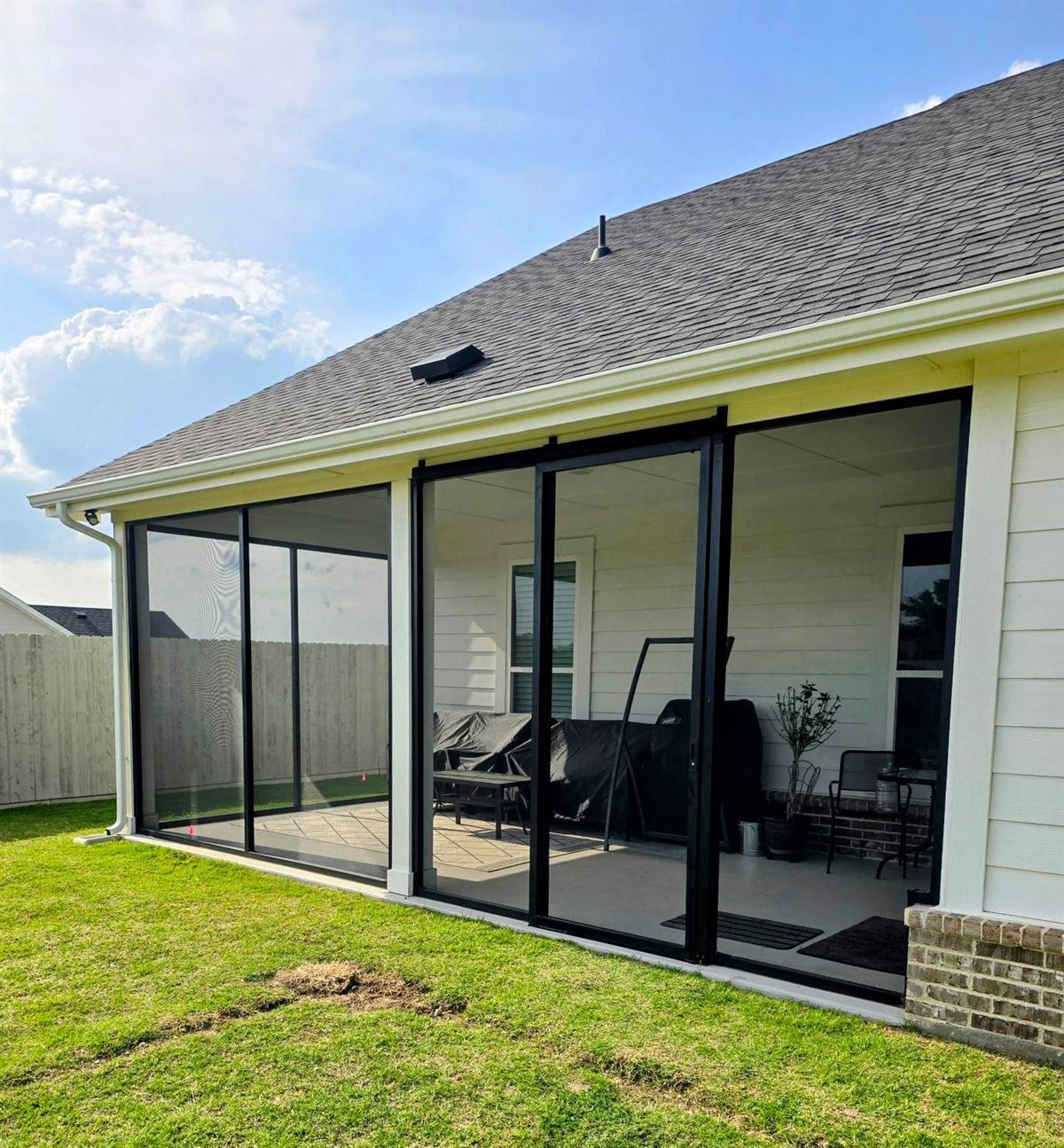
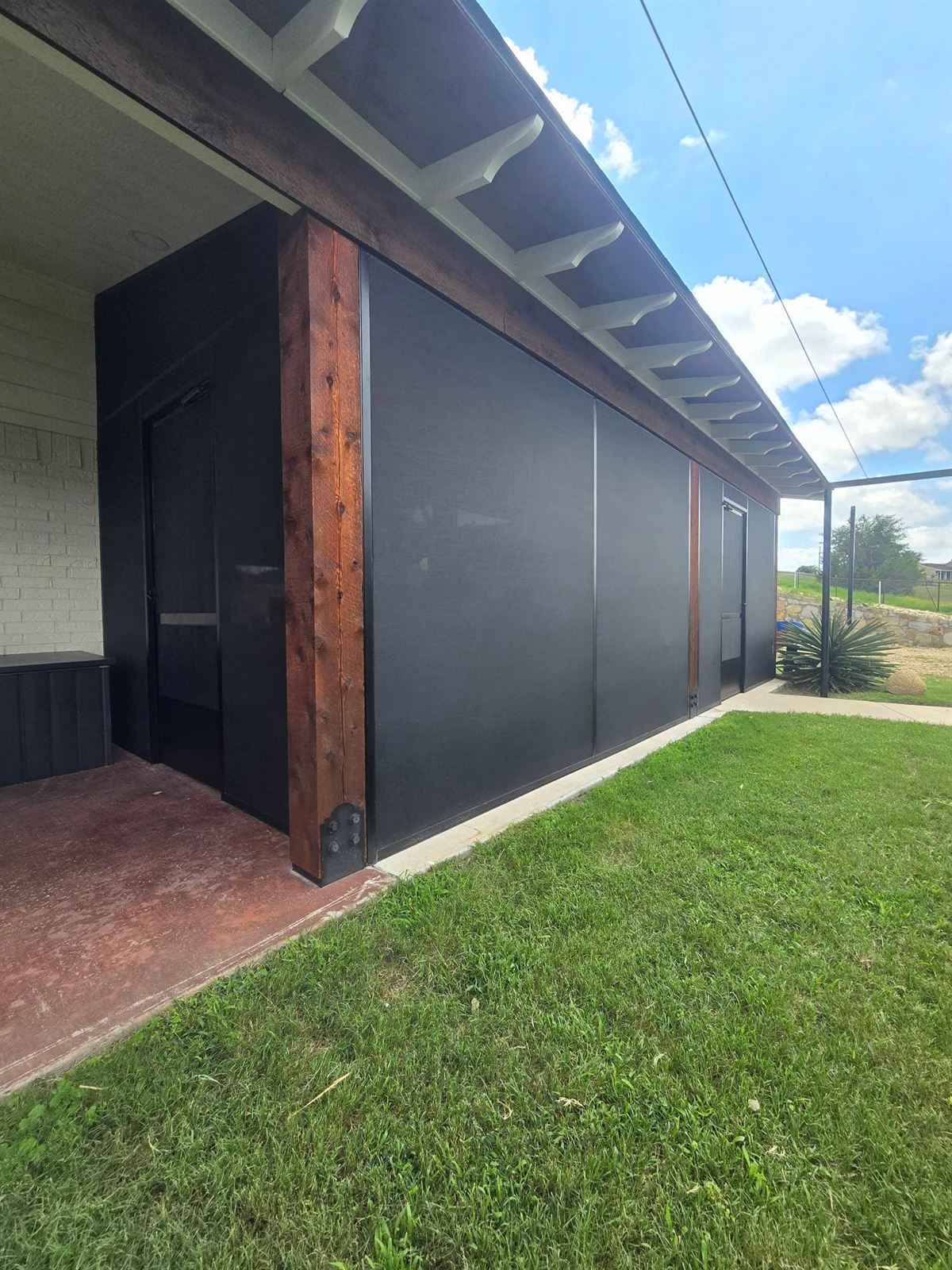
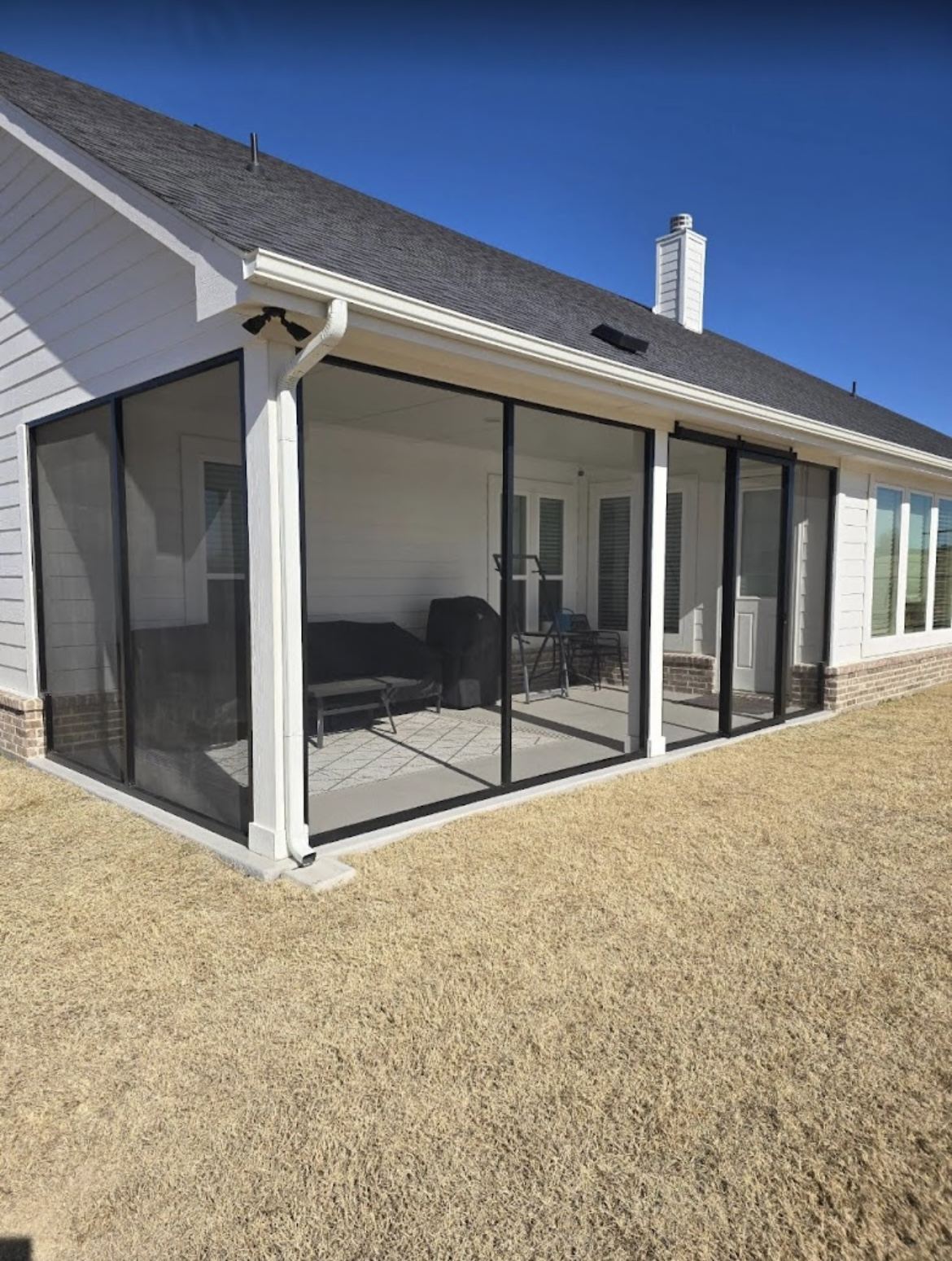
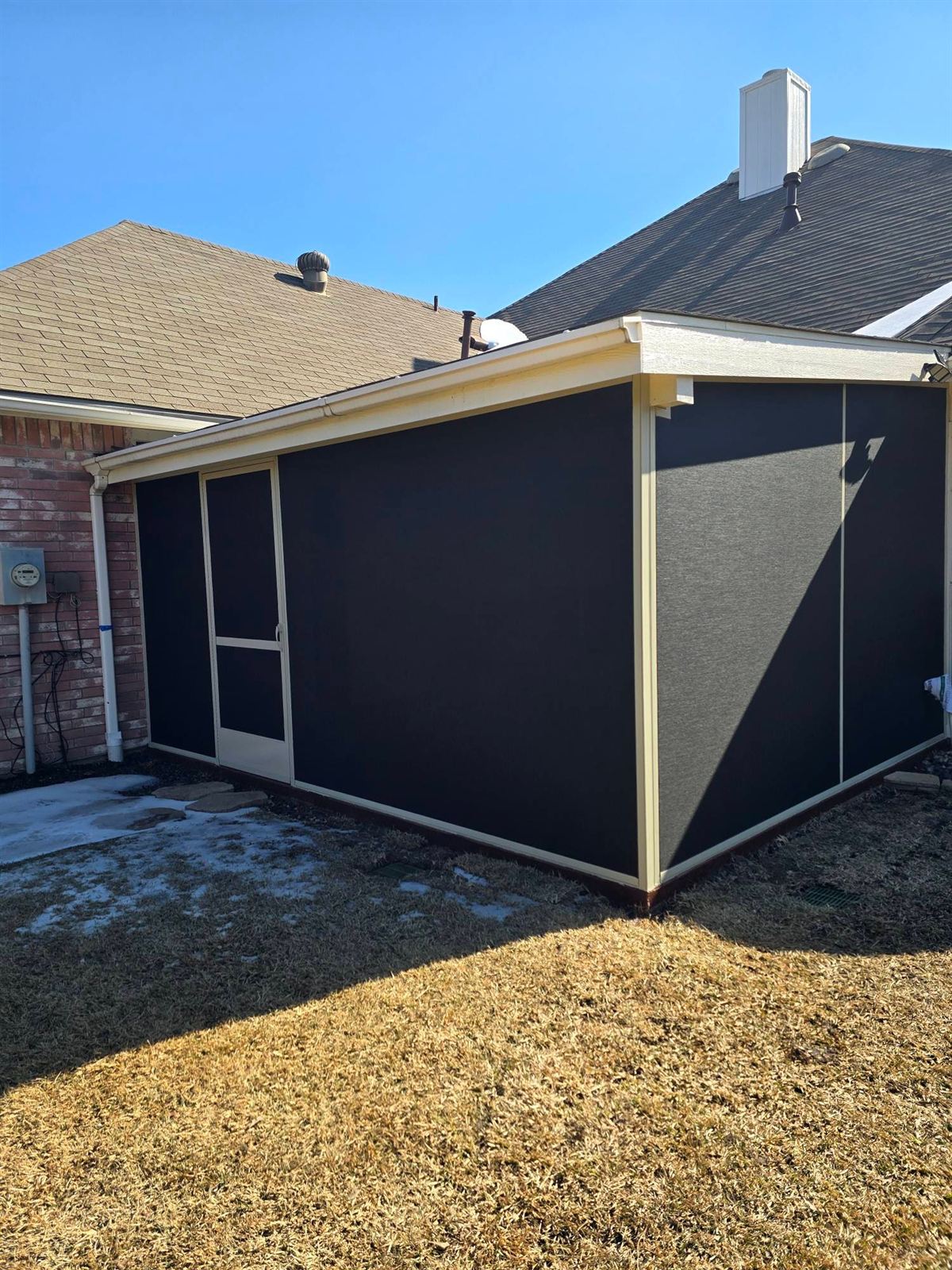
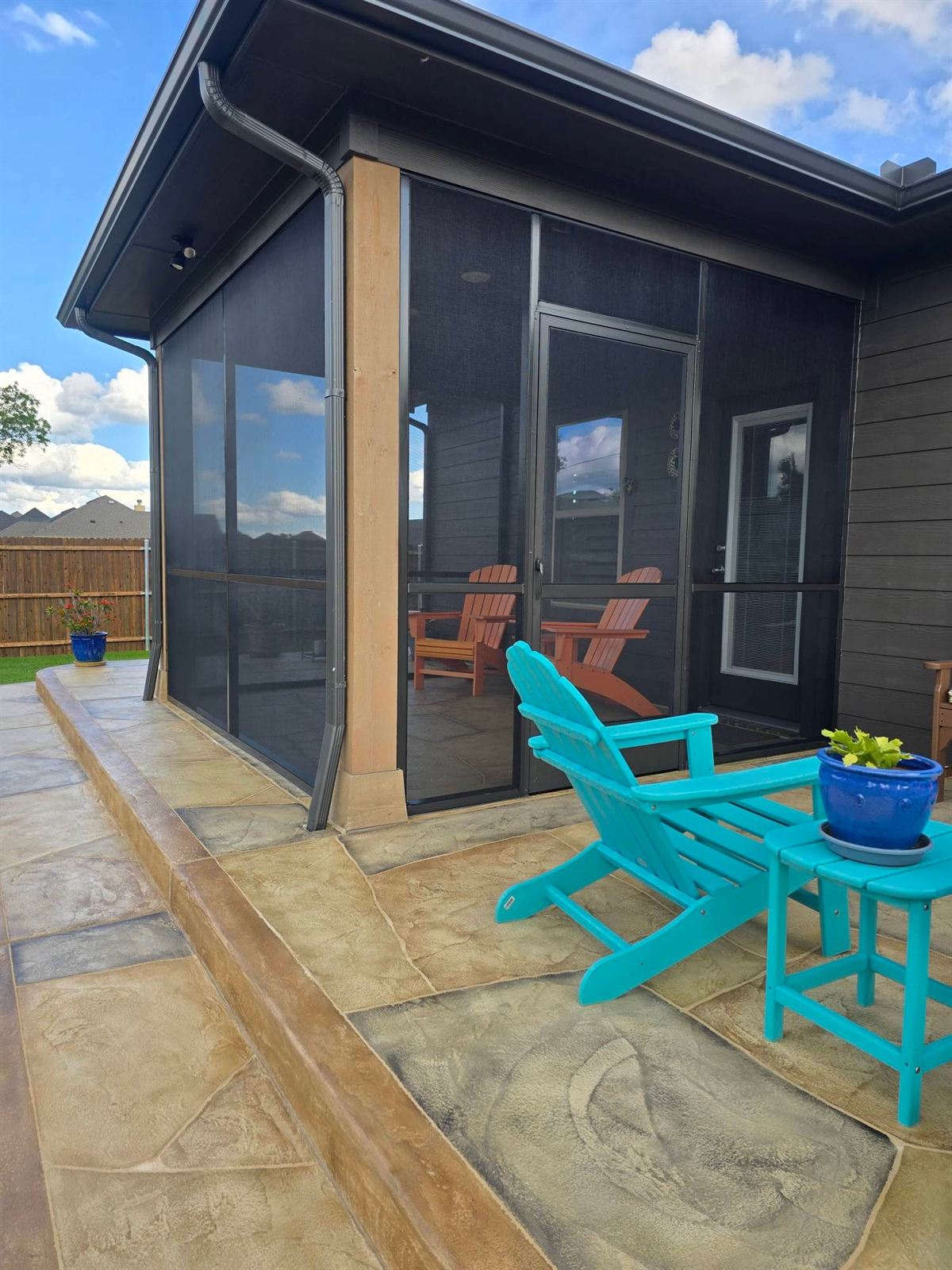
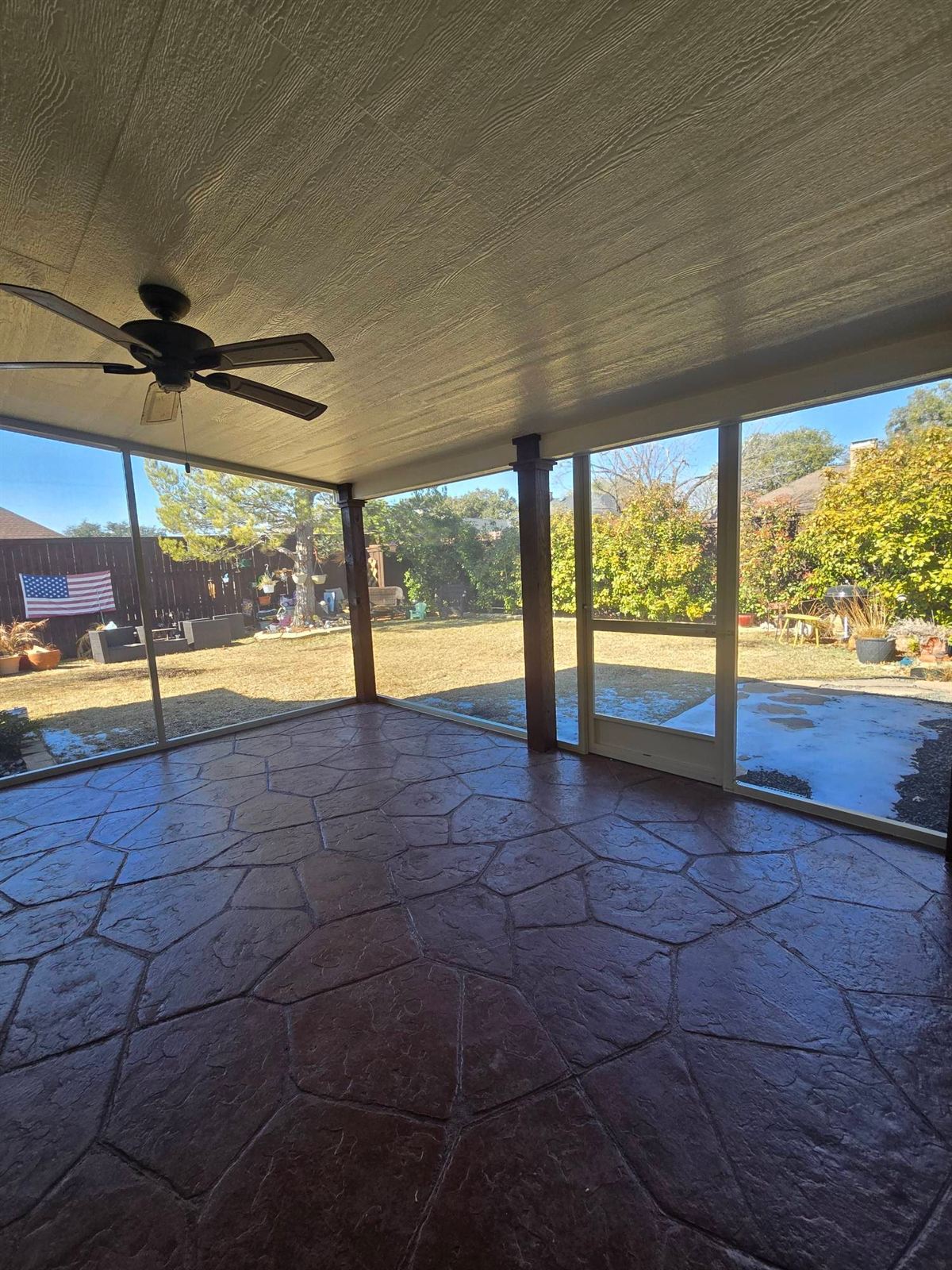
A screen room — also called a patio screen enclosure or screened-in porch — turns your existing covered patio into a fully enclosed outdoor room. Custom-framed and screened floor to ceiling, it keeps out bugs, wind-blown dust, and rain year-round while keeping the open-air feel that made you want a patio in the first place.

A Room You Can Use Every Season

Year-Round Use

Fully enclosed, floor to ceiling — protected from sun, wind, rain, dust, and bugs no matter the season.

Custom-Framed to Your Space

No off-the-shelf kits. Every screen room is measured and framed specifically for your porch or patio.

Proudly Made in North Texas

Every screen room is fabricated locally with quality American-made materials, built for the weather right outside your door.

100% In-House Team

We never subcontract. Every measurement, fabrication, and installation is handled start to finish by our own trained crew.

Screening In a Patio, Done Properly

What a patio screen enclosure includes

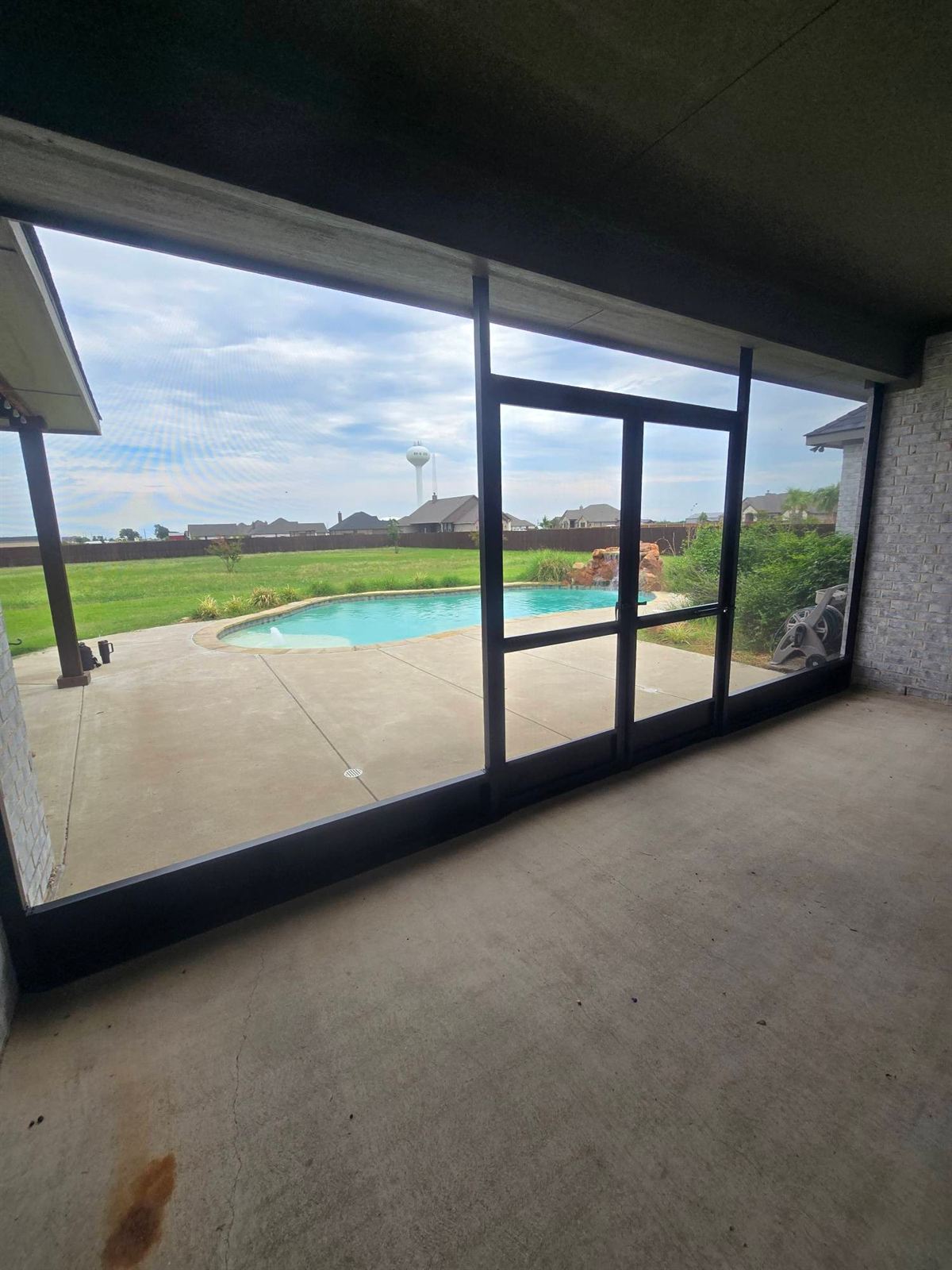
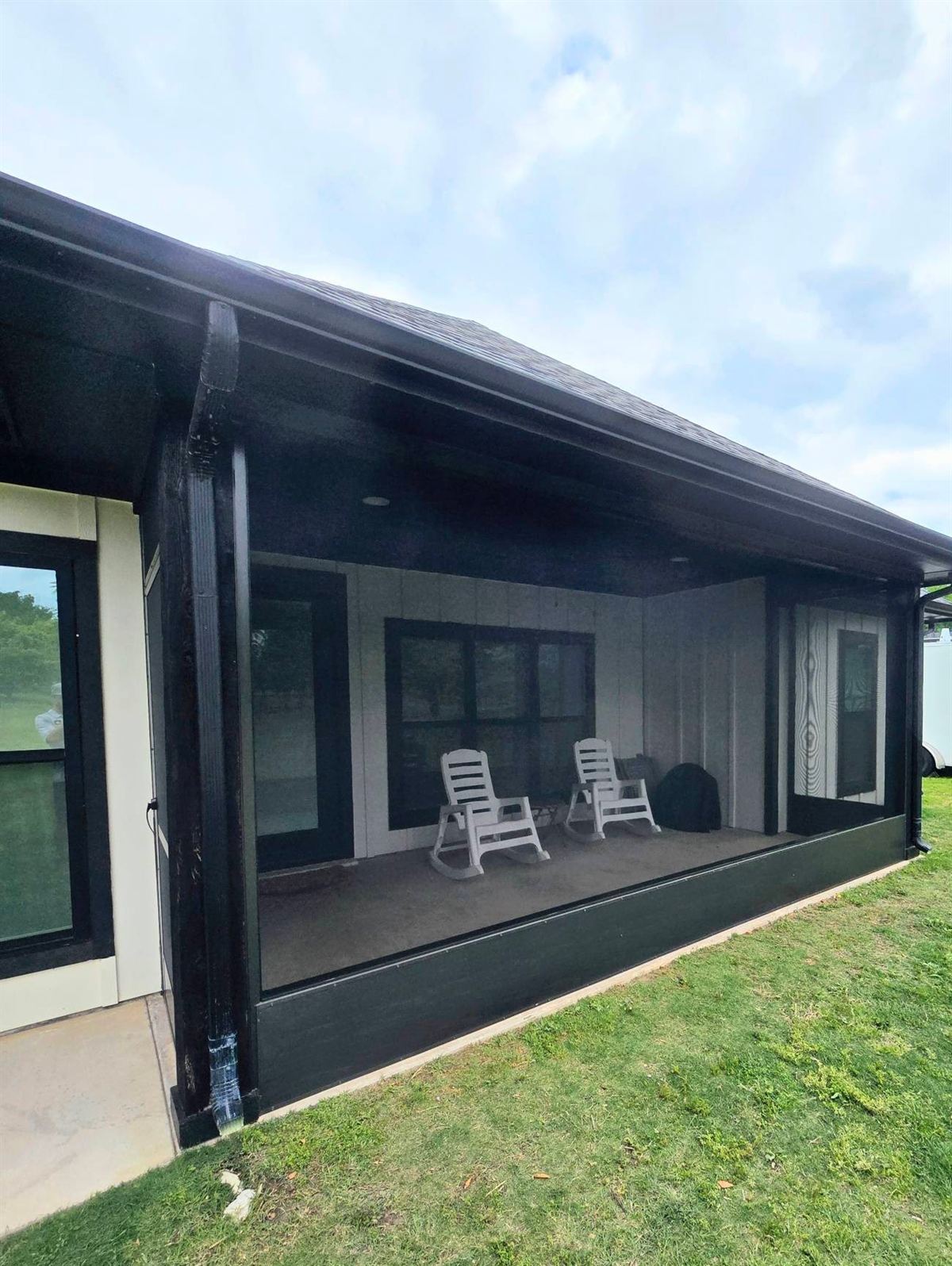
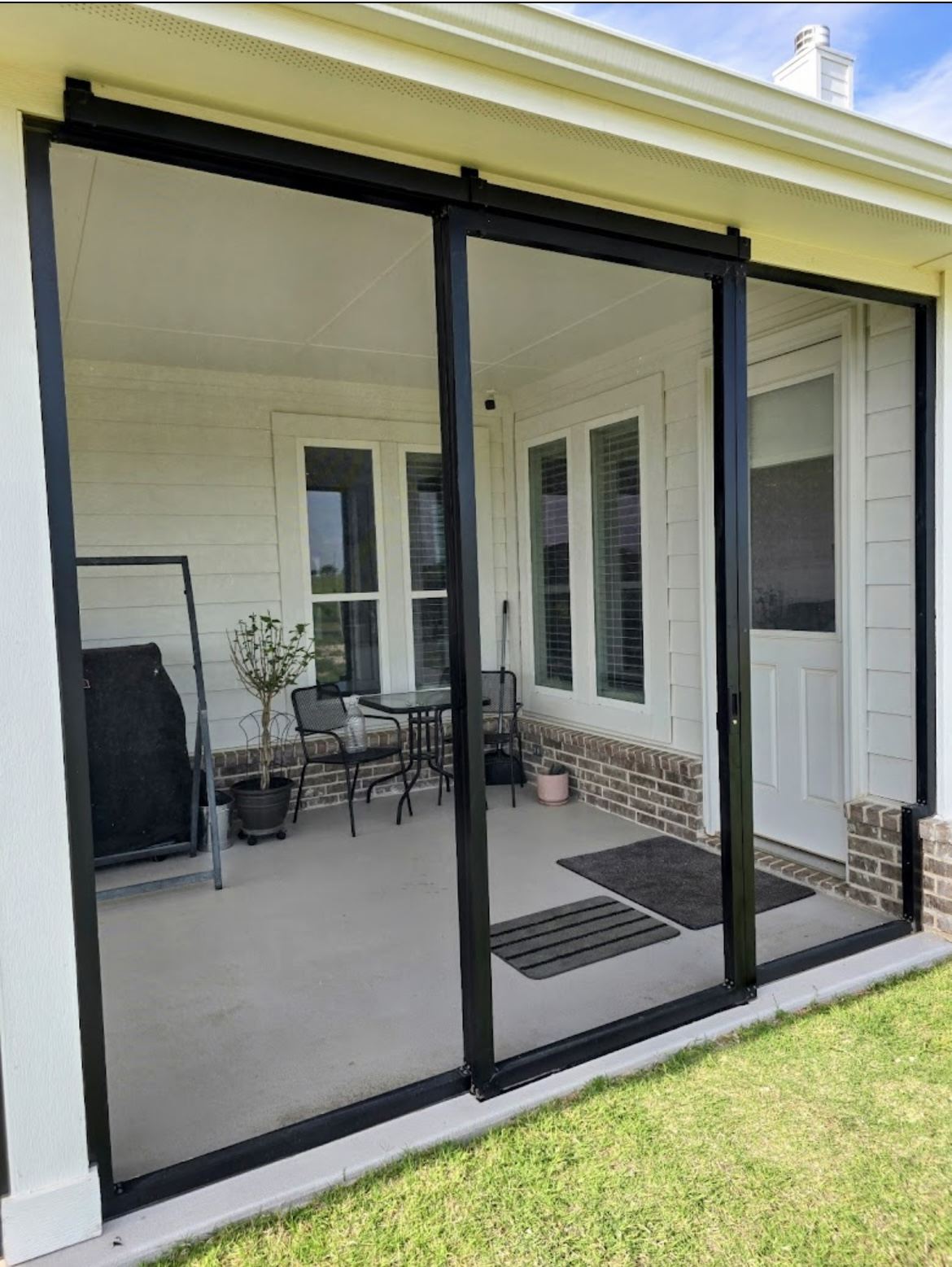
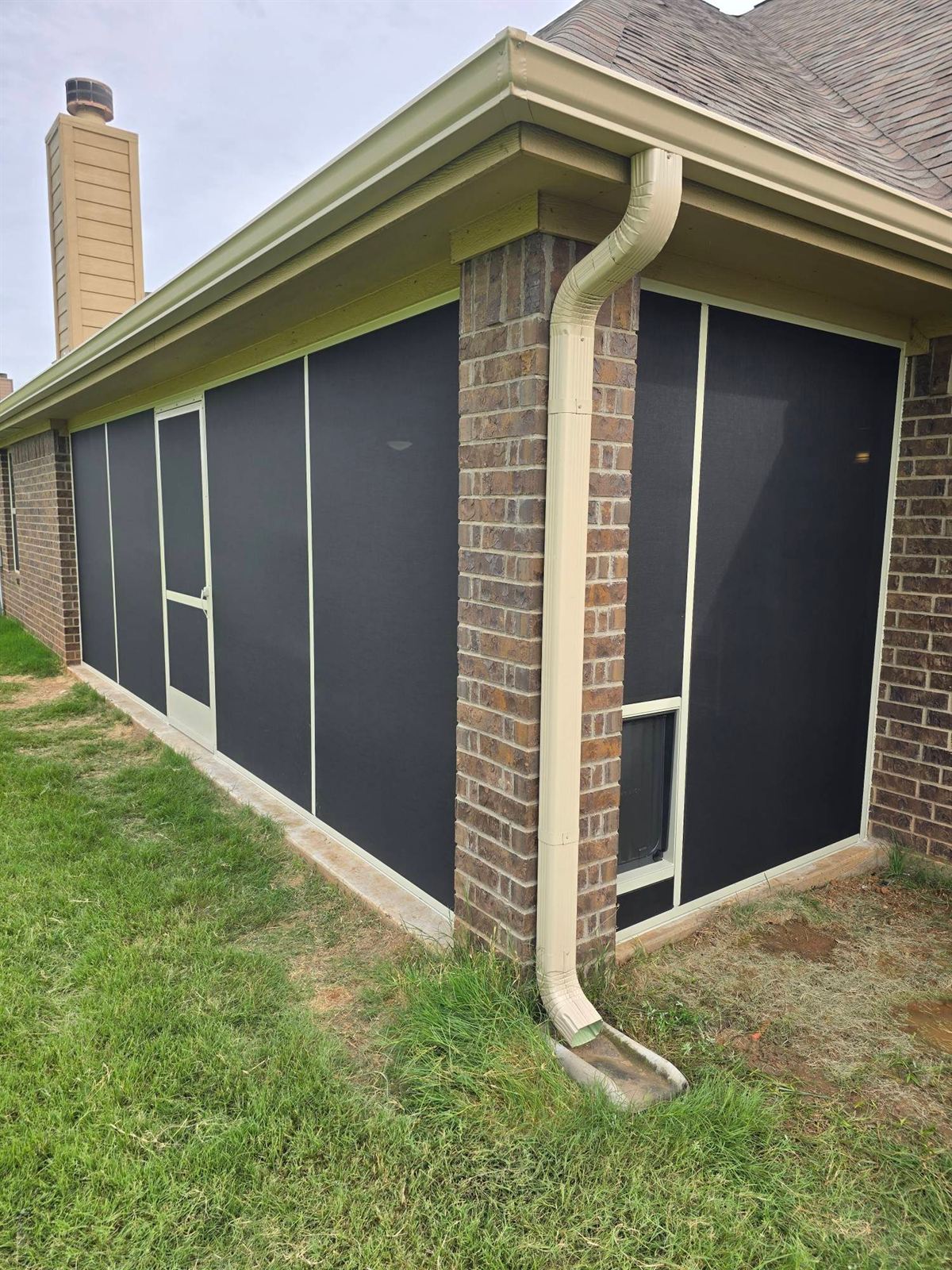
A screen room starts with your existing roof or patio cover. We add framing between the posts and columns, finished to match your home's trim, then fill each bay with screen from floor to ceiling. One or more full-view screen doors give you access to the yard, and a low kick plate at the bottom keeps mowers, pets, and kids from pushing through the mesh. The result is a real room: bug-free, dust-free, and usable every evening from spring through fall.

Can you screen in my existing patio?

Almost always, yes. A screen room needs two things: a roof or cover to attach to, and posts or columns to frame between. Most covered patios and porches in Frisco, Plano, McKinney, and the rest of DFW have both. If your patio is open to the sky, the cover comes first — we'll tell you that plainly at the free measurement rather than sell you an enclosure that can't be built.

Screen options

Standard insect mesh keeps the view open and stops mosquitoes and flies. Tighter pet-resistant mesh stands up to claws and paws. Solar mesh cuts glare and heat on a hard west exposure. We'll walk through the options against how you actually use the space, and you can mix them — solar mesh on the sun side, standard mesh on the view side.

Screen room or motorized screens?

Choose a screen room if you want the patio enclosed every day with nothing to operate. Choose motorized patio screens if you want the protection on demand and a wide-open view the rest of the time. Plenty of DFW homeowners combine them: a screened porch off the kitchen and motorized screens on the open patio by the pool. The comparison below lays it out side by side.

Built in North Texas, installed by our own crew

Every screen room is measured, fabricated, and installed by the same in-house team — no subcontractors, no hand-offs. That's how we keep most projects to about three weeks from measurement to finished room, and why the framing lines up when it arrives.
Motorized Screens or a Screen Room?

Motorized Patio ScreensScreen Room
What it isRetractable screen panels that roll down over the openings of your covered patio and back up into a housing.Permanent framed screen walls, floor to ceiling, with a screen door — your patio becomes an enclosed room.
Open viewYes. Raise the screens and the patio is fully open again.Screen stays in place year-round; you look through it.
Best forHomeowners who want protection on demand and an unobstructed view the rest of the time.Homeowners who want a bug-free room every day with no buttons to press.
Sun & privacyChoose 90–99% UV-block fabric; tighter fabric also reads as a privacy wall from outside.Standard insect mesh keeps the view open; solar mesh available for hot west exposures.
Wind & rainSide tracks hold the fabric taut; lower before a storm to keep the patio dry.Blocks wind-blown dust and light rain; open mesh lets heavy rain mist through.
InvestmentPriced per opening. See the DFW pricing guide →Priced per room by size and framing. See the DFW pricing guide →
Lead timeAbout three weeks from measurement to install.About three weeks from measurement to install.
Learn moreMotorized patio screens →Screen rooms →

Screen Room FAQ

What's the difference between a screen room and motorized screens?

A screen room is a fully enclosed, framed structure — walls of screen from floor to ceiling — while motorized screens are retractable panels that roll up and down over an existing covered patio. Screen rooms stay enclosed all the time; motorized screens can be opened up for a completely unobstructed view.

Can a screen room be added to any patio?

Most covered patios and porches can be framed and screened. The enclosure needs a roof or cover to attach to and posts or columns to frame between; we'll confirm what's possible during your free measurement.

Can I screen in a patio that has no roof?

Not directly — a screen room attaches to an existing roof or patio cover. If your patio is uncovered, the cover comes first. We'll tell you honestly whether a screen room or motorized screens is the better path for your space.

Do I need a permit or HOA approval for a screen room in DFW?

It depends on your city and your HOA. Many DFW cities treat a screen enclosure on an existing covered patio as a minor addition, and many HOAs ask for an architectural request before work starts. We'll tell you what applies to your address during the free consultation and can supply drawings for an HOA submission.

What kind of screen mesh do you use?

Standard insect mesh for an open view, pet-resistant mesh where claws and paws are a factor, and solar mesh where afternoon sun is the problem. Different bays can use different mesh.

How long does a screen room installation take?

Like our motorized screens, most screen room projects wrap in about three weeks from free measurement to finished install, since everything is handled by our own in-house team.

Get a Free Screen Room Quote

Step 1 of 3 25%

What are you interested in?

Your information is never shared or sold. By submitting you agree to be contacted by Texas Patio Screens.